Trying to choose between Alamo and Danville? You are not alone. Both communities sit in the San Ramon Valley and offer great East Bay living, but they feel different day to day. This guide shows you what changes when you trade privacy for walkability, larger lots for downtown access, and quiet lanes for active streets. You will come away with a clear sense of which place fits how you live, commute, and spend your weekends. Let’s dive in.
Alamo vs. Danville at a glance
- Alamo: Larger lots, lower density, semi‑rural character, and a quieter vibe.
- Danville: Incorporated town, defined downtown, more walkable streets, and regular civic events.
- Both: Strong single‑family home markets, access to regional parks and trails, and car‑forward commuting along I‑680.
Lifestyle and community vibe
Privacy and space in Alamo
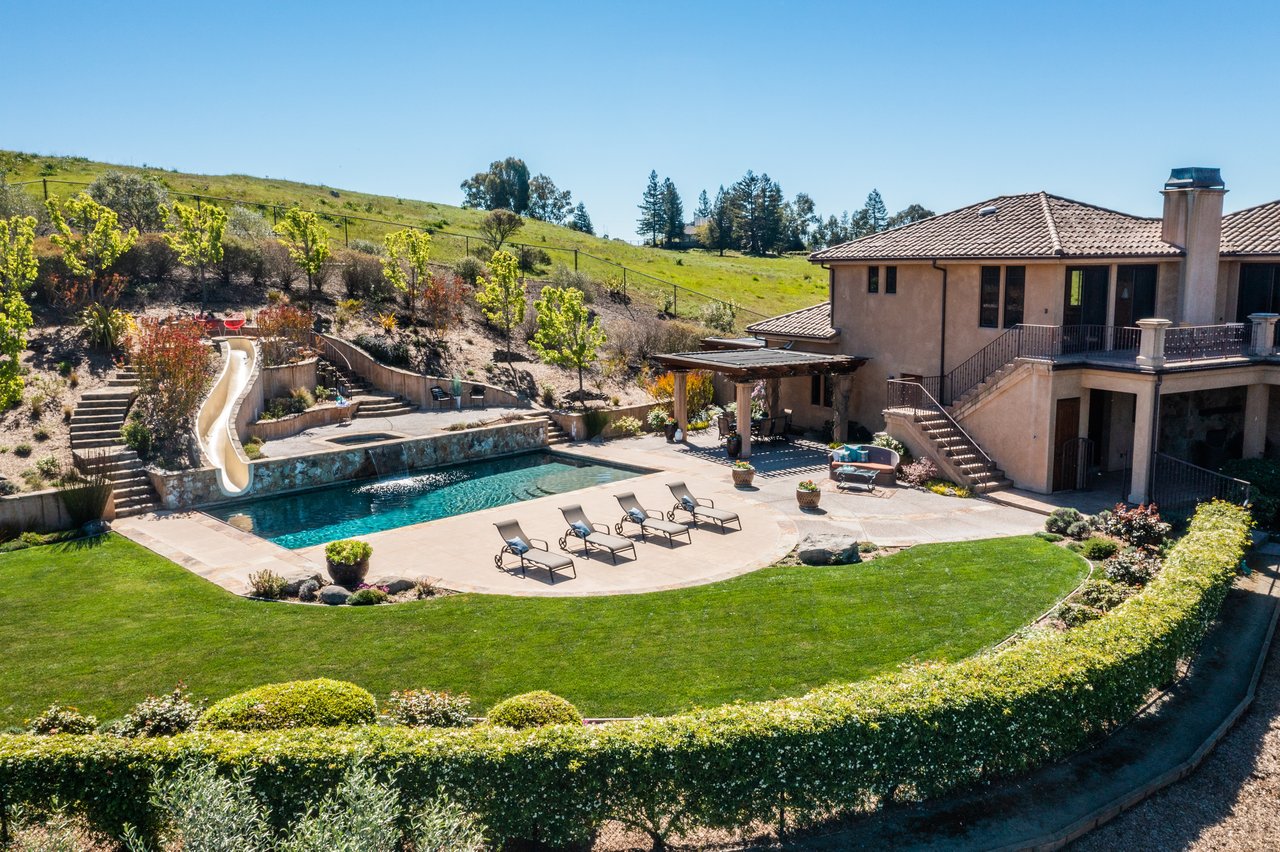
If you want room to spread out, Alamo typically delivers larger parcels and more separation between homes. Many streets feel tucked away, which can mean lower background noise and more privacy. Commercial spots are smaller and dispersed, so daily errands are more car‑oriented. Community life often centers around neighborhoods, schools, private clubs, and regional parks rather than a central downtown.
Walkable town life in Danville
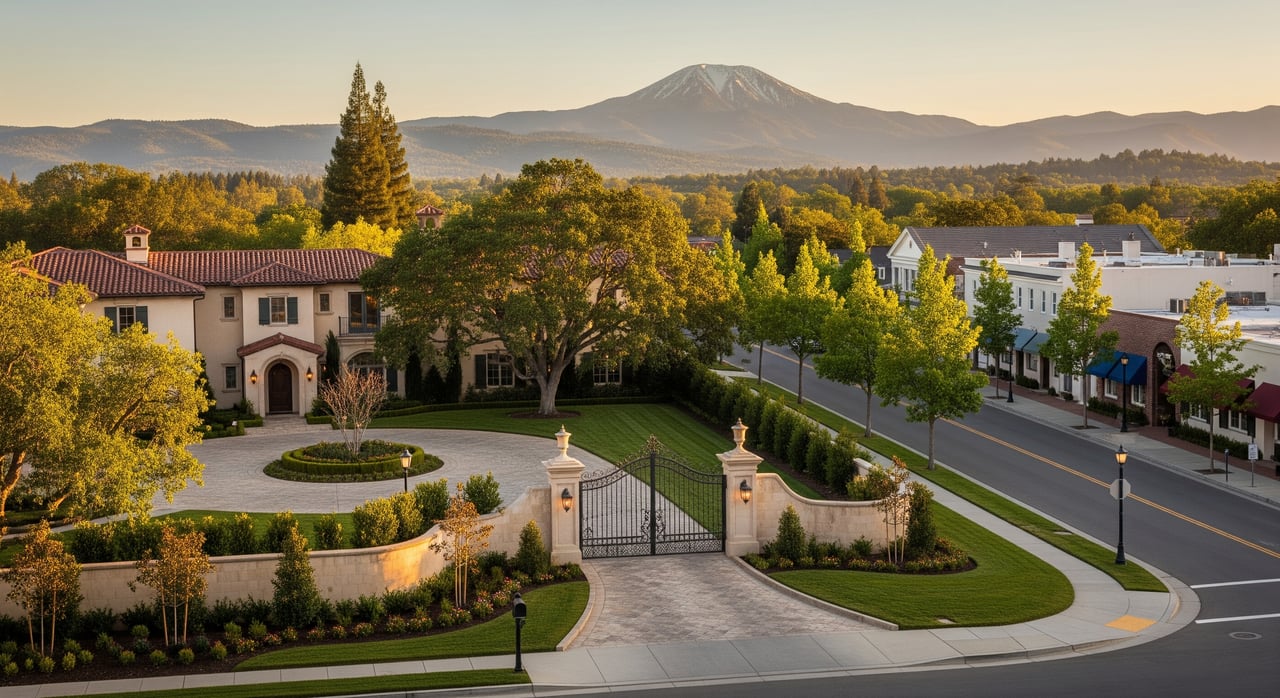
If you like to stroll to coffee, dinner, or a weekend market, Danville’s traditional downtown stands out. You will find a pedestrian‑friendly core with restaurants, boutiques, and town‑led programming. The town’s calendar and services are coordinated through the municipal government, which supports regular events and recreation programs you can browse on the Town of Danville website.
Homes and market considerations
What you will typically find
- Alamo: Primarily single‑family homes, many on larger lots. Estate and equestrian‑style properties are more common. Inventory can skew to the luxury tier, and niche properties may have longer timelines to find the right buyer.
- Danville: A mix of single‑family homes on moderate lots, with neighborhoods closer to downtown drawing buyers who value convenience. Resale demand is often supported by the town’s amenities and identity.
Buyer tips
- Focus your search criteria on the lifestyle trade‑off that matters most. If you want space and outdoor living, shortlist Alamo enclaves. If you prefer easy access to shops and dining, look near Danville’s core.
- Plan inspections and due diligence around the property type. Larger or older estate homes may require extra attention to systems and site features. In Danville’s in‑town neighborhoods, factor in curb appeal and modernization.
- Ask for recent comparable sales and current days on market to gauge leverage. A data‑driven strategy helps you time offers and negotiate well.
Seller tips
- Alamo sellers: Spotlight lot size, privacy, outdoor amenities, and any acreage uses such as gardens or paddocks. Professional staging, landscaping, and targeted marketing can help reach the right buyer pool.
- Danville sellers: Emphasize proximity to downtown, walkability, and the neighborhood lifestyle. Stage to highlight indoor‑outdoor flow and easy entertaining.
Schools and family resources
Most homes in both communities are served by the San Ramon Valley Unified School District. For accurate assignments, verify addresses using the San Ramon Valley Unified School District resources. For performance and enrollment data, review the California Department of Education reports and compare multiple sources to understand methodology and context.
If schools are a priority, confirm boundaries before you tour homes and track any updates that may affect future assignments. Families also find programs, sports, and camps through town and county recreation offerings, libraries, and private providers.
Parks, trails, and outdoor life
You have excellent access to the outdoors in either community. The Iron Horse Trail is a favorite for biking and running, and you can explore regional parks and open space through the East Bay Regional Park District. Nearby Las Trampas Regional Wilderness and Mount Diablo State Park offer hiking, views, and picnic spots; learn about state park access through California State Parks.
If you are considering an equestrian or hobby‑farm setup, Alamo’s semi‑rural pockets are more likely to accommodate larger lots. Always verify zoning, permitted uses, and any special requirements with Contra Costa County before proceeding.
Commute and transportation
Both communities sit along the I‑680 corridor, which connects north to Walnut Creek and south toward the Tri‑Valley and Silicon Valley. There is no BART station in Alamo or Danville. The nearest stations are typically Walnut Creek and Dublin/Pleasanton, which you can plan for using BART. Local bus service and park‑and‑ride options are coordinated by agencies such as County Connection.
Expect a largely car‑centric routine. If you commute, map your likely routes during peak and off‑peak times and include travel to your preferred BART station if that is part of your plan.
Services, safety, and governance
Danville is an incorporated town with a town council and municipal services managed locally. Alamo is unincorporated and receives many services from Contra Costa County. Law enforcement in the area is provided by the Contra Costa County Sheriff’s Office under local arrangements. Fire and emergency services are provided by the Contra Costa County Fire Protection District in most nearby neighborhoods.
Property taxes in both communities follow California’s Proposition 13 framework. Supplemental assessments and special districts may apply on a parcel‑by‑parcel basis, so review the specific property tax bill and any local assessments as part of your due diligence.
Who each community fits
You might prefer Alamo if you value
- Larger lots, privacy, and a quieter residential feel.
- Space for gardens, pools, sport courts, or equestrian features.
- A home that feels like a retreat, with quick drives to regional parks and trails.
You might prefer Danville if you value
- Walking to coffee, restaurants, and town events.
- A traditional downtown and an active civic calendar.
- Broad appeal for future resale due to convenience and amenities.
Quick side‑by‑side checklist
- Lot size and density: Alamo larger, Danville more compact near downtown.
- Walkability and retail: Danville stronger, Alamo more car‑oriented.
- Outdoor lifestyle: Strong in both, with easy trail and park access.
- Property types: Alamo more estate‑style, Danville broader mix of family homes.
- Commute: Similar freeway access; BART via Walnut Creek or Dublin/Pleasanton.
- Governance: Danville incorporated, Alamo unincorporated.
Seller strategy by community
- Alamo sellers: Lead with outdoor living, acreage benefits, privacy, and unique lifestyle elements. Use high‑impact photography and landscaping to frame views and outdoor zones.
- Danville sellers: Lead with location. Show how daily life flows to downtown, parks, and schools. Stage for light, function, and indoor‑outdoor connection.
How to decide your best fit
Start with your top three priorities, like yard size, walkability, commute, or home style. Tour both communities at different times of day. Map your errands, your commute, and your weekend routines. Then align what you experienced with your budget, timing, and long‑term goals.
If you want a local, data‑driven perspective and a seamless plan for buying or selling, reach out. With concierge preparation, a vetted vendor network, and targeted marketing, we help you move with confidence and maximize results. Connect with Lauren Kraus Realtor to get started.
FAQs
Which community has stronger walkability, Alamo or Danville?
- Danville offers a defined, pedestrian‑friendly downtown with shops, dining, and town events, while Alamo is more dispersed and car‑oriented.
How do schools compare between Alamo and Danville?
- Most addresses in both areas are served by SRVUSD; verify assignments with the San Ramon Valley Unified School District and review performance data on the California Department of Education.
What are the BART options if I live in Alamo or Danville?
- There is no local station; most commuters use Walnut Creek or Dublin/Pleasanton stations and plan routes and parking using BART resources.
Who provides police and fire services in these communities?
- Law enforcement is through the Contra Costa County Sheriff’s Office, and fire and EMS are typically through the Contra Costa County Fire Protection District; confirm coverage for your address.
Are there differences in property taxes or special assessments?
- Base taxes follow Proposition 13 in both; parcel‑specific supplemental assessments and special districts can apply, so review the property tax bill during due diligence.
Where can I find trails and parks near Alamo and Danville?
- Explore the Iron Horse Trail and regional open spaces through the East Bay Regional Park District and check state park options with California State Parks.