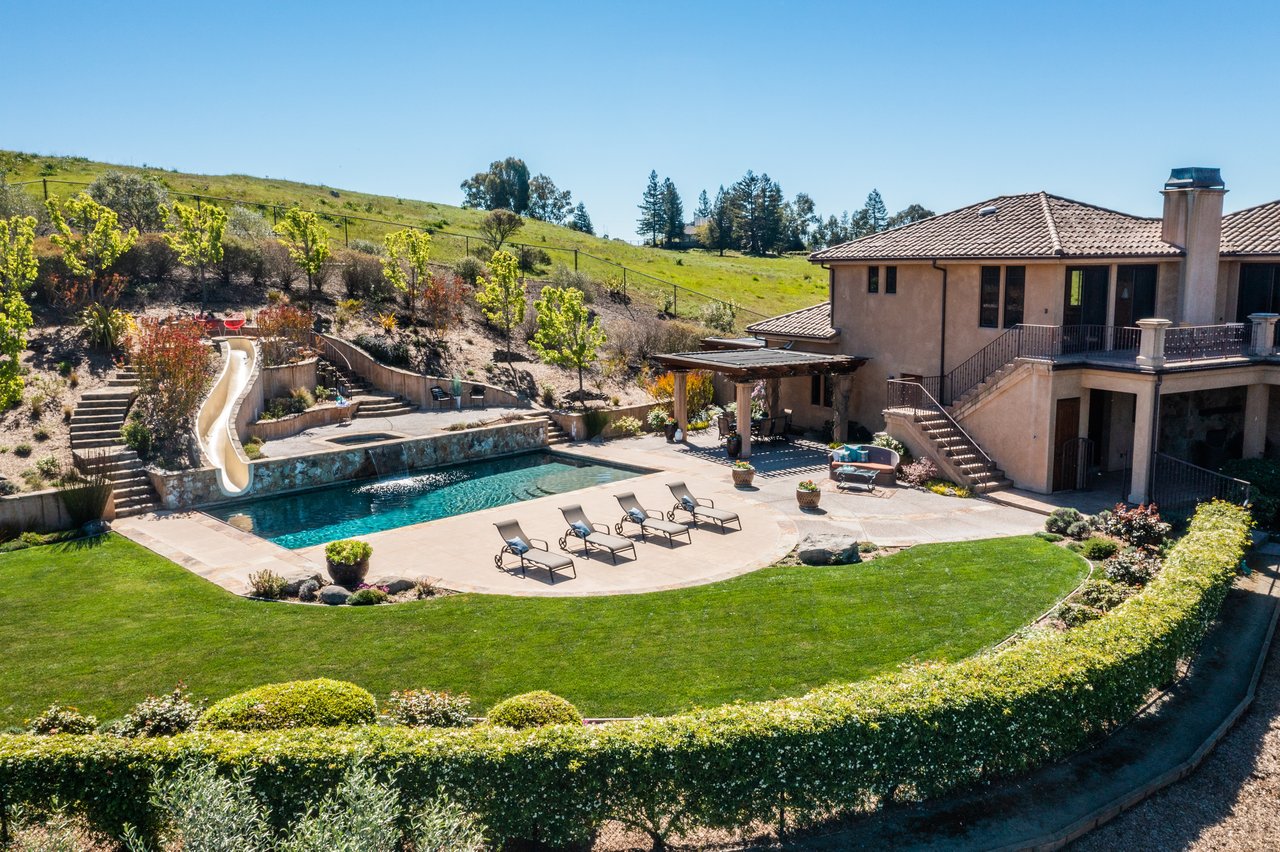
Selling an estate in Alamo is rarely about doing more. It is about doing the right work in the right order so your home shows beautifully, disclosures are ready, and your launch feels calm instead of rushed. If you want to protect privacy, avoid unnecessary prep costs, and position your property strongly in a fast-moving luxury market, a concierge plan can make a real difference. Let’s dive in.
Why concierge prep matters in Alamo
Alamo is a distinct market within unincorporated Contra Costa County, where the county oversees planning entitlements and building permits for this area. That matters because estate prep is not just cosmetic. It can involve repairs, exterior work, vendor coordination, and permit review before anything begins. You can explore the county’s overview of the area on the Alamo community page.
Market conditions also raise the stakes on presentation. According to Realtor.com’s Alamo market overview, Alamo had a March 2026 median listing price of $2.648 million, median days on market of 31, and a 101% sale-to-list ratio. In a market where well-positioned homes can move quickly and attract strong offers, your first impression matters.
The broader local profile supports a luxury-focused approach. The U.S. Census QuickFacts for Alamo show high owner occupancy, a median owner-occupied home value above $2 million, and median household income above $250,000. In practical terms, buyers in this market often expect a polished, intentional listing experience.
Start with strategy, not renovation
A strong concierge listing plan usually begins with a walkthrough and a prioritized scope of work. The goal is not to renovate every corner of the home. The goal is to identify which updates are most likely to improve presentation, reduce friction during escrow, and support stronger net proceeds.
For many Alamo estates, that means focusing first on visible, high-impact items. Repairs, deep cleaning, decluttering, exterior tidying, and staging often do more for market readiness than a broad remodel. This kind of sequencing helps you avoid overspending on projects that may not add enough value before launch.
That approach also aligns with California disclosure guidance. The California Department of Real Estate notes in its consumer guide to disclosure requirements that expert reports can support required disclosures. In other words, a smart prep plan should consider both how the home shows and what documentation should be ready before you go live.
Focus on the upgrades buyers notice first
When buyers form an opinion, they do it quickly. That is why concierge prep should start with the areas and details that shape first impressions online and in person. In a luxury estate setting, clean lines, maintained finishes, and a composed sense of scale can make the property feel move-in ready from the start.
The National Association of Realtors found in its 2023 Profile of Home Staging that 58% of buyers’ agents said staging affects most buyers’ view of a home, and 81% said staging makes it easier for buyers to visualize the property as a future home. That same report identified the living room, primary bedroom, and kitchen as the most important rooms to stage.
For your estate, that often points to a practical prep shortlist:
- Deferred repairs that are easy to spot during showings
- Deep cleaning and window cleaning
- Decluttering and selective depersonalizing
- Landscaping touch-ups and exterior cleanup
- Staging key living spaces
- Professional photography and video once the home is fully ready
Check permits before work starts
Because Alamo is in unincorporated Contra Costa County, permit review should happen early. Even a well-intentioned improvement plan can get delayed if the scope touches work that needs county review or added agency approval. That is one reason concierge prep works best when it is managed as a coordinated project rather than a last-minute scramble.
According to the county’s city and agency directory, additional review may apply for septic or well properties, drainage work, pools and spas, and fire-district-reviewed work tied to new construction or some remodels and additions. If your prep list includes anything beyond light cosmetic updates, it is wise to confirm requirements before vendors begin.
A simple rule can help: if the work changes systems, structures, drainage, or major site features, check first. This protects your timeline and helps avoid unnecessary stress close to launch.
Build your seller package early
A polished listing is not only about how the home looks. It is also about how prepared you are once buyers begin asking questions. In higher-value transactions, a complete and organized seller package can create confidence and keep momentum moving.
The California Department of Real Estate explains in its disclosure guide that sellers of most residential one-to-four unit properties must provide a Real Estate Transfer Disclosure Statement before title transfers. The same guide notes that the Natural Hazard Disclosure Statement covers zones such as flood, fire, earthquake fault, and seismic hazards, and that late delivery can give buyers termination rights.
That is why a concierge launch should ideally include:
- Disclosure forms
- Inspection reports, when applicable
- Contractor invoices or records for completed work
- A vendor timeline and improvement summary
- Any supporting expert reports relevant to disclosures
When this package is assembled before the listing goes live, you reduce surprises and give buyers better context from day one.
Address wildfire-related exterior prep
For some Alamo properties, exterior presentation also overlaps with wildfire awareness. CAL FIRE explains on its Fire Hazard Severity Zones page that these maps evaluate hazard, not risk, and classifies zones as moderate, high, or very high. The agency also notes that defensible space and home hardening with ignition-resistant or noncombustible materials can improve survivability.
For sellers, that makes exterior cleanup especially relevant before photography and marketing. Vegetation management, removing obvious fuel sources, and tidying the perimeter can improve how the property presents while also helping you think ahead about buyer questions. It is one more example of why concierge prep should be both visual and practical.
Plan for older-home disclosures
If your Alamo estate was built before 1978, lead-based paint disclosure should be handled early. Federal law requires sellers to disclose known lead-based paint hazards and provide an EPA-approved pamphlet before sale. The EPA outlines these requirements on its real estate disclosure page.
This does not mean every older home has a major issue. It simply means the paperwork should be addressed in a timely, organized way. Handling it early supports a smoother listing process and reduces last-minute document chasing.
Protect privacy with controlled access
Privacy matters to many estate owners, especially when a home has a prominent setting, custom features, or a high level of personal use. Concierge prep helps here too. Instead of opening the doors too broadly too soon, the process can be choreographed so the property is fully staged and marketed before the first showing takes place.
The same NAR staging report found that photos, videos, and virtual tours are important to clients. That supports a launch strategy built around strong digital presentation first, followed by intentional access. In practice, that can mean limited showing windows, guided appointments, and a plan that lets you stay in control of who enters the property.
How much prep is enough?
This is one of the most important questions sellers ask, and the answer is usually reassuring. Enough prep is the amount that helps your home show at its best, supports clear disclosures, and improves your odds of a strong outcome. It is not automatically a full remodel.
In a market like Alamo, where pricing is high and buyer expectations are elevated, selective prep often delivers the best balance. You want to remove distractions, highlight the home’s strongest features, and avoid spending on projects with uncertain payoff. The right concierge advisor helps you narrow the scope instead of expanding it unnecessarily.
A smoother way to bring an estate to market
When concierge prep is done well, it creates more than visual polish. It creates order. You know which projects matter, which ones need review, when media should happen, and what documents should be ready at launch.
For Alamo estate owners, that kind of structure can protect both your time and your leverage. If you are thinking about bringing your property to market and want a thoughtful, high-touch plan from prep through negotiation, connect with Lauren Kraus Realtor to request your complimentary home valuation.
FAQs
What is concierge prep for an Alamo estate sale?
- Concierge prep is a coordinated pre-listing process that can include strategy, repairs, cleaning, decluttering, staging, vendor management, and launch planning to improve presentation and reduce stress before your home hits the market.
How much pre-sale work should I do before listing an Alamo estate?
- The right amount is usually the minimum needed to strengthen first impressions, support disclosures, and avoid obvious buyer objections, rather than taking on a full remodel unless the likely upside justifies it.
Which projects may need permits for an Alamo property?
- In unincorporated Contra Costa County, you should check permit or agency-review requirements before starting additions, some remodels, drainage work, septic or well work, pools, spas, and certain fire-district-reviewed projects.
What disclosures should sellers prepare before listing an Alamo home?
- Sellers should prepare required disclosure forms early, including the Real Estate Transfer Disclosure Statement and Natural Hazard Disclosure materials, along with any inspection reports or contractor records that support the property history.
How can I protect privacy when selling a luxury home in Alamo?
- You can protect privacy by preparing staging and media before launch, using intentional showing schedules, and managing access carefully so buyers view the property through controlled appointments rather than broad foot traffic.
Do older Alamo homes need lead-based paint disclosure?
- If the home was built before 1978, federal law requires disclosure of known lead-based paint hazards and delivery of an EPA-approved pamphlet before the sale proceeds.