If you want more room to breathe without giving up everyday convenience, Alamo stands out. Many buyers are drawn to its large lots, regional trail access, and indoor-outdoor lifestyle, but equestrian living here comes with details you need to verify carefully. This guide will help you understand what outdoor and horse-friendly living in Alamo can actually look like, what to look for in a property, and how to evaluate the right fit for your goals. Let’s dive in.
Why Alamo appeals to outdoor buyers
Alamo offers a distinct East Bay lifestyle that feels estate-like and semi-rural while still connecting you to daily essentials. The area is an unincorporated Contra Costa County community, which means county land use tools and permit records are especially important when you are researching a property.
For many buyers, the appeal starts with space. Current public listings show a mix of premium-lot homes and larger acreage properties, with land offerings ranging from about 0.4 acres to 37.4 acres. That variety creates options whether you want a private yard, room for outdoor amenities, or a parcel that may support horse-related use.
Trail access supports the lifestyle
One of Alamo’s biggest draws is its access to regional trails and open space. The Iron Horse Regional Trail passes through Alamo and connects residential areas with downtown, parks, open space, and transit. Horses are allowed on the trail, which adds real value for buyers seeking an outdoor-focused routine.
The trailheads in and around Alamo include Danville Boulevard, Lisa Lane, and Stone Valley Road. This makes it easier to picture a lifestyle built around walking, riding, and spending more time outdoors close to home.
Iron Horse Trail in daily life
The Iron Horse Regional Trail spans 32 miles, but for Alamo residents, its local function may matter most. It acts as a connector between neighborhoods, shopping areas like Alamo Square, and recreational spaces.
That means the trail is not just scenic. It can also shape how you use your property and your week, whether that looks like early morning rides, after-work walks, or easier access to nearby amenities.
Las Trampas and regional riding access
Las Trampas Wilderness Regional Preserve adds another layer to Alamo’s outdoor appeal. The preserve covers 6,050 acres and welcomes both hikers and horseback riders, giving equestrian buyers access to broader riding opportunities beyond their own parcel.
East Bay Regional Park District also identifies horse staging resources in Alamo, including a staging area on Livorna Road. The Las Trampas to Mt. Diablo trail crosses Stone Valley Road in Alamo, and equestrian access is noted as most convenient at Macedo Ranch Gate, with Macedo Ranch Staging Area connecting to other regional trails.
What equestrian living looks like in Alamo
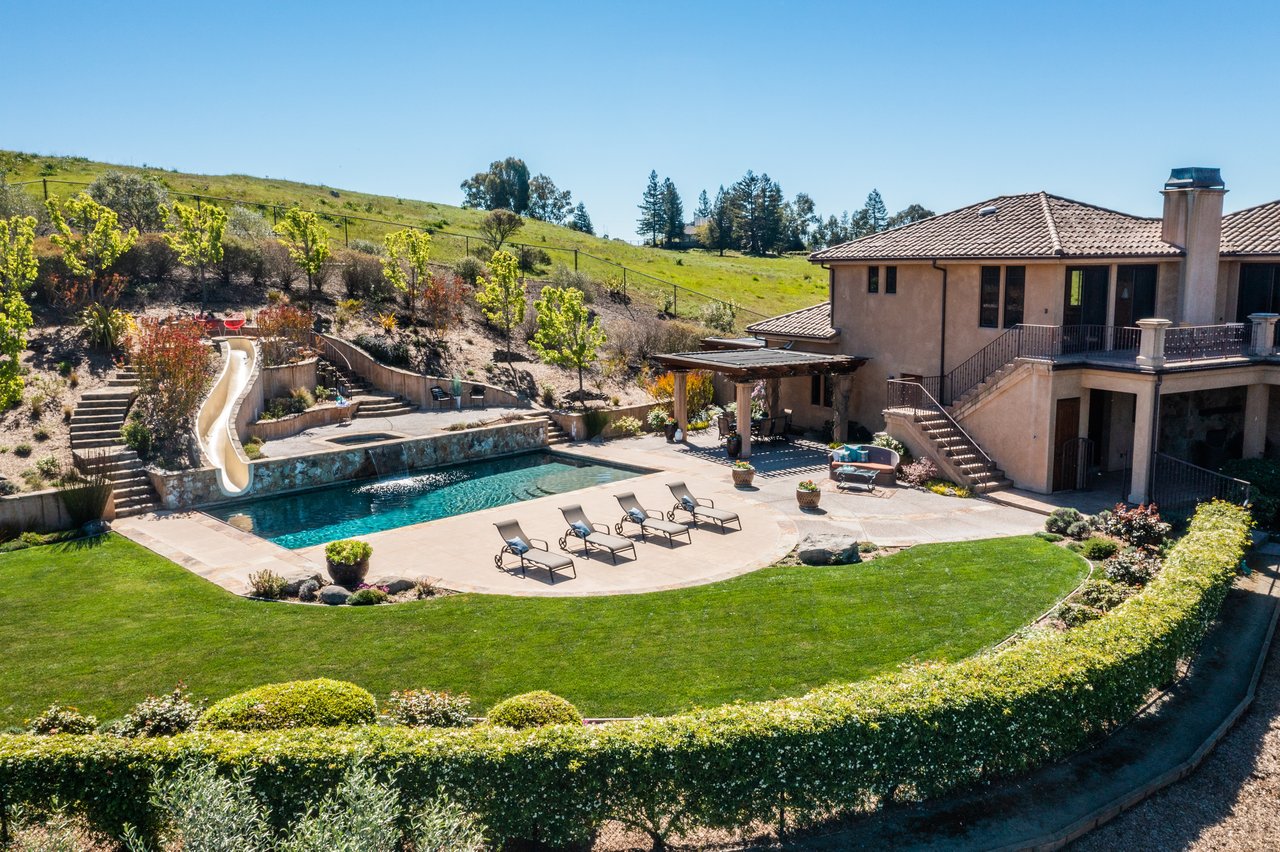
In Alamo, equestrian living usually looks more like an estate property with horse-friendly features than a traditional ranch setting. That distinction matters because many homes emphasize privacy, views, pools, guest spaces, and outdoor entertaining alongside possible horse use.
Current listing examples reflect that pattern. One public example on Oak Road is a 1.07-acre private lot marketed with horse use allowed, a well, and no homeowners association. Another example on Los Balcones is a 14.59-acre lot zoned A-2 and marketed as horse property.
Lot size and property mix
You will find a wide range of parcel sizes in Alamo. Some listings highlight mostly level land, while others describe rolling hills, creekside settings, oak-studded lots, or foothill views.
That variety is important because not every large lot functions the same way. Usable flat space, access points, slope, and existing improvements can matter just as much as total acreage when you are evaluating outdoor or equestrian potential.
Outdoor features buyers often seek
Many Alamo properties lean into outdoor living even when they are not fully equestrian-focused. Public listings commonly mention features like pools, spas, tennis courts, irrigation wells, guest houses, and private settings.
For buyers, this creates a strong overlap between luxury outdoor living and occasional horse-friendly use. A property may support trail access and open-air living beautifully, even if it is not set up like a full equestrian compound.
Zoning and permits matter more here
Because Alamo is unincorporated, parcel-level due diligence is essential. You should not assume that a large lot, horse-themed marketing language, or nearby trail access automatically means you can add barns, keep horses, or build major outdoor improvements.
Contra Costa County’s A-2 General Agricultural District code lists agricultural uses that include livestock production and animal breeding. It also states that dude ranches, riding academies, and stables may be allowed with a land use permit. In A-2, the minimum lot area is generally five acres, although some older legal lots may be exceptions.
Use county tools before you commit
Contra Costa County provides property research tools that are especially useful in Alamo. CCMAP includes zoning, aerial imagery, creeks, and other parcel layers for unincorporated county areas, while ePermits provides permit and application history.
These tools can help you verify what exists today and what may be possible in the future. That step can save you from expensive surprises after closing.
Key questions to ask before buying
If you are considering outdoor or equestrian living in Alamo, a careful checklist can help you evaluate properties with more confidence. The goal is to match the property’s real capabilities to your lifestyle plans.
Here are some of the most important items to review:
- Zoning designation and any related land use limits
- Permit history for existing structures and improvements
- Water source, including whether the property has a well
- Grading, drainage, and slope conditions
- Fence placement and setback requirements
- Trail easements, direct access, or nearby staging options
- Any homeowners association rules or CC&Rs
Water and terrain deserve extra attention
Water can be an especially practical issue for outdoor and equestrian use. Some listings mention wells, and Las Trampas notes that water can be inconsistent within the preserve.
That does not mean a property will not work for your needs. It does mean that you should verify water access, irrigation capacity, and site conditions early if horses or extensive landscaping are part of your plan.
What sellers should know
If you own a horse-friendly or outdoor-oriented property in Alamo, the right positioning can make a real difference. Buyers in this segment are often looking beyond square footage and bedroom count. They want to understand land use, privacy, access, and the overall lifestyle the property supports.
That means your marketing should clearly present the lot’s practical advantages, not just its visual appeal. Details like trail adjacency, usable flat land, well information, permit history, and outdoor amenities can help serious buyers see the property’s full value.
Presentation matters for estate-style homes
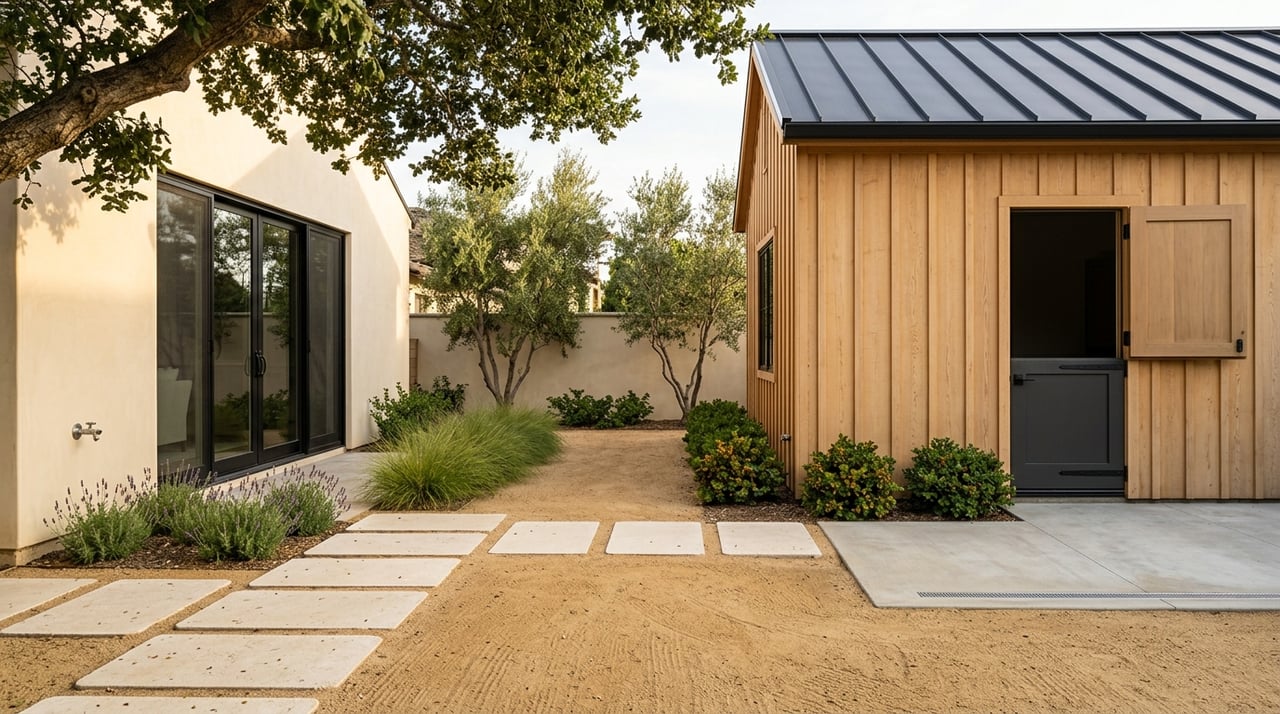
Large-lot and lifestyle properties benefit from thoughtful preparation. Clean landscaping, clear site organization, and strong photography can help buyers understand how indoor and outdoor spaces work together.
For sellers, this is where a concierge approach matters. Coordinating prep work, highlighting the most valuable property features, and presenting the home with a clear strategy can improve both buyer interest and the overall sale experience.
Finding the right fit in Alamo
The best Alamo property for you depends on how you define outdoor living. You may want direct trail access, extra room for recreation, a private lot with a pool and views, or a parcel that may support horse use with the right zoning and approvals.
What makes Alamo special is that it offers a blend of those possibilities. It is not purely agricultural, and it is not just another suburban market either. Instead, it offers a refined, outdoor-centered lifestyle with occasional horse-friendly opportunities and a wide range of estate-style properties.
If you are buying or selling a property with land, trail access, or equestrian potential in Alamo, working with a local expert can help you evaluate the details that matter most. To talk through your goals and next steps, connect with Lauren Kraus Realtor.
FAQs
What does equestrian living in Alamo usually mean?
- In Alamo, equestrian living usually refers to estate-style properties with larger lots, trail access, and occasional horse-friendly features rather than traditional ranch compounds.
What trails support horseback riding in Alamo?
- The Iron Horse Regional Trail allows horses, and nearby access to Las Trampas Wilderness Regional Preserve and Macedo Ranch staging areas supports additional riding opportunities.
What zoning should you check for horse property in Alamo?
- You should verify the parcel’s county zoning, especially whether it falls under A-2 regulations, and review whether any horse-related uses or structures may require permits.
What should buyers verify before purchasing horse property in Alamo?
- Buyers should confirm zoning, permit history, water source, terrain, drainage, fence and setback rules, trail easements, and any HOA or CC&R restrictions.
Are all large lots in Alamo suitable for horses?
- No. A large lot may still have limits related to zoning, slope, drainage, water access, permits, or access, so parcel-level review is essential.
What makes outdoor living in Alamo appealing to buyers?
- Buyers are often drawn to Alamo’s large lots, regional trail network, private settings, and the combination of luxury outdoor amenities with a more open, semi-rural feel.