Trying to choose between a townhome and a single-family home in Walnut Creek? You are not alone. Many buyers are balancing budget, maintenance, privacy, and long-term flexibility in a market where options can look similar on the surface but feel very different once you dig into the details. This guide will help you compare the real tradeoffs, understand how Walnut Creek pricing fits into the decision, and know what questions to ask before you move forward. Let’s dive in.
What “townhome” really means in California
In California, a townhome is often more of a design style than a true ownership category. A property may look like a townhouse, but legally it could be a condo or part of a planned development.
That matters because the bigger question is not just what the home looks like. It is who owns the common areas, who handles maintenance, and how much HOA oversight comes with the property.
The California Department of Real Estate notes that even detached homes can be part of a common-interest development with shared streets, recreation areas, or other HOA-maintained features. So if you are comparing a townhome vs. a single-family home in Walnut Creek, the label alone does not tell the full story.
Walnut Creek price differences
For many buyers, price is the first reason this comparison starts. Walnut Creek remains a competitive market, with Redfin reporting a median sale price of $830,000 in March 2026, about 3 offers on average, and 12 median days on market, while Realtor.com reported 28 median days on market and described the city as a seller’s market.
Attached housing often offers a lower entry point than detached housing. Redfin’s Walnut Creek condo data shows 189 condos for sale with a median listing price of $560,000, while Walnut Creek townhouses had 24 listings with a median listing price of $799,000.
Detached home pricing can move much higher depending on the area. Recent subarea examples show North Downtown Walnut Creek around $590,000, Downtown Walnut Creek around $845,000, and Ygnacio Valley around $930,000, while Woodlands and Northgate were much higher at about $1.62 million and $2.05 million.
When a townhome may make sense
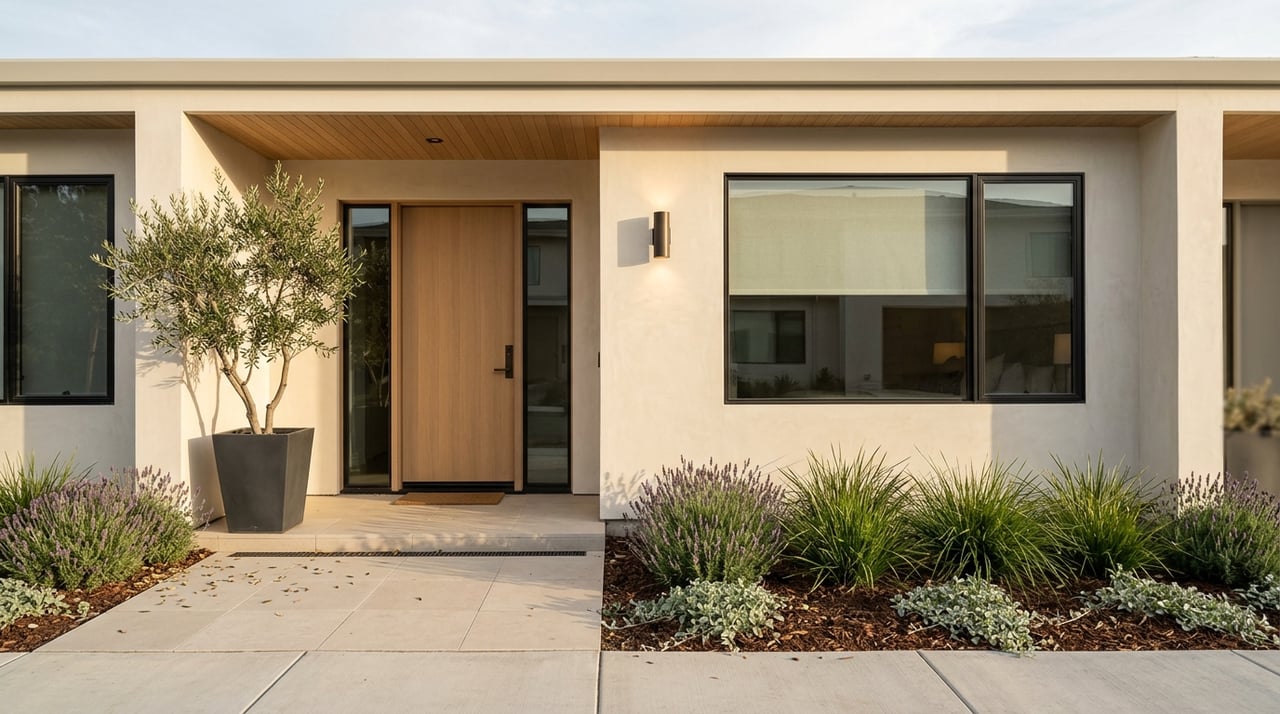
A townhome can be a smart fit if you want lower day-to-day upkeep and a more streamlined lifestyle. For buyers who travel often, want less exterior work, or prefer shared amenities, attached housing can feel much easier to manage.
That can be especially appealing in Walnut Creek if you want to be near downtown or if you are downsizing and do not want the full workload of a detached property. In many cases, the monthly HOA dues help cover services and shared spaces that reduce your personal maintenance burden.
There is also a budget advantage in many cases. If a detached home in your target area feels out of reach, a townhome may let you stay in Walnut Creek with a lower purchase price while still getting the space and layout you want.
When a single-family home may make sense
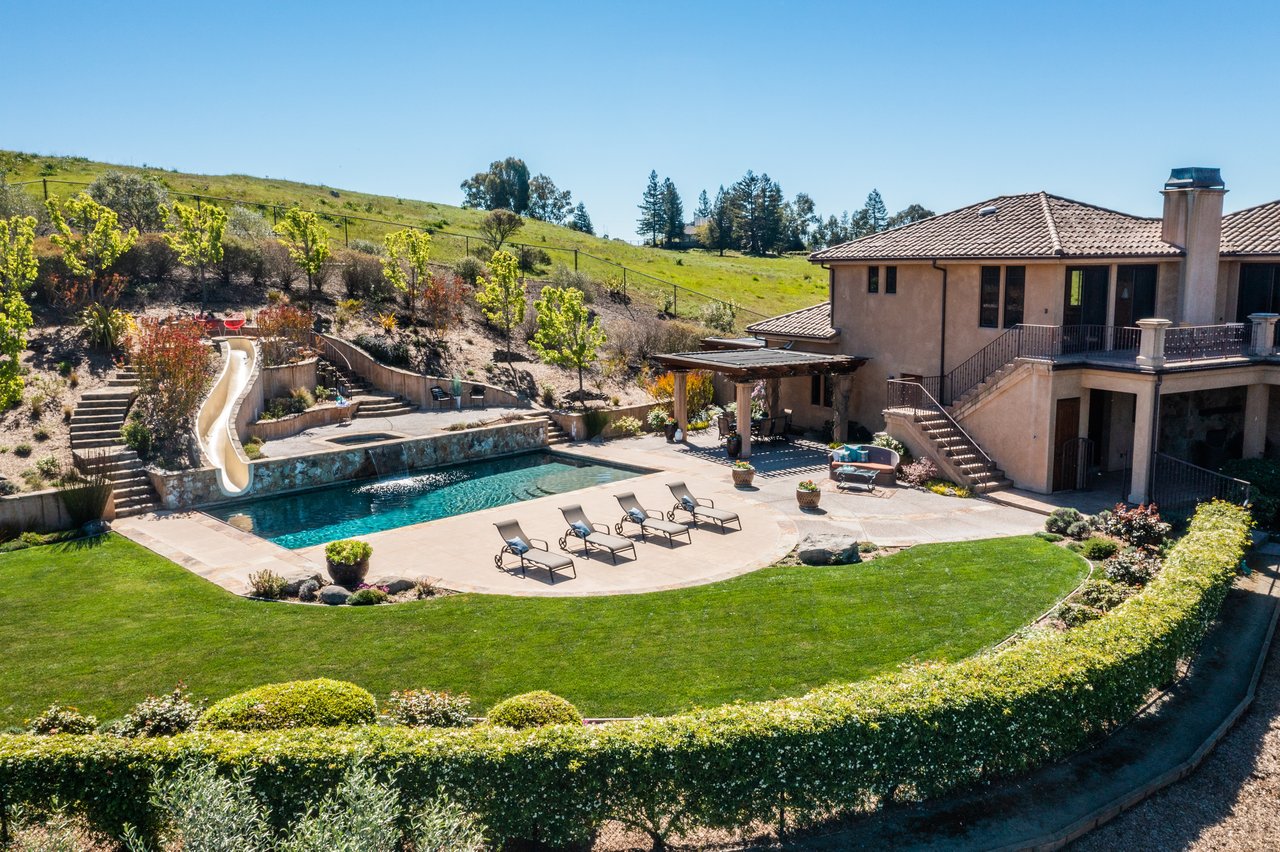
A single-family home usually gives you more privacy and more direct control over the property. If you want more separation from neighbors, more outdoor space, or more freedom to make changes, this option often fits better.
The California Department of Real Estate also notes that detached homes are generally more marketable and tend to command higher sale values than attached condominiums. For some buyers, that broader resale appeal is part of the long-term value equation.
That said, detached does not always mean simple. Some single-family homes in Walnut Creek are still located in planned developments with HOA rules, dues, and shared infrastructure, so it is important to review the actual property setup instead of making assumptions.
Maintenance is not always what you expect
One of the biggest mistakes buyers make is assuming that a townhome always means low maintenance and a single-family home always means full responsibility. In reality, maintenance responsibilities are project-specific.
The Department of Real Estate explains that in some townhouse-style communities, owners may handle certain exterior items while the HOA handles shared roofs or common elements. In other communities, the split may look completely different.
That is why you should ask exactly who maintains the roof, siding, balconies, private roads, and any exclusive-use outdoor areas. A clear answer on maintenance can make one home much more attractive than another, even if both look similar online.
HOA rules can shape daily life
If you are leaning toward a townhome, HOA review should be part of your core due diligence. California HOA governance is driven by CC&Rs and related rules, and those documents can affect exterior changes, uses, and other aspects of ownership.
You will also want to understand what the dues cover and whether any special assessments have been approved or may be coming. A lower-maintenance lifestyle can be a real benefit, but the tradeoff is that your monthly costs and decision-making flexibility may be shaped by the association.
For some buyers, that structure feels helpful and predictable. For others, it feels limiting. The right answer depends on how much control you want over your home and monthly budget.
Financing and resale deserve a closer look
Attached housing can come with another layer of review: the health of the HOA itself. California disclosure materials for condo and planned development transactions call for information about reserves, special assessments, debt, insurance, and, where relevant, FHA or VA project status.
That means your financing options and future resale pool may be influenced by the association, not just your own finances. A well-run project can support confidence, while a project with weak reserves or other concerns may affect buyer demand.
This does not mean you should avoid townhomes. It means you should evaluate the full picture before you commit, especially if financing flexibility matters to you now or may matter when you sell later.
Do not overlook property taxes and carrying costs
Your monthly cost in Walnut Creek is about more than just the mortgage payment. Contra Costa County says annual property tax bills include the basic 1% tax, voter-approved additional taxes, and any special assessments or charges tied to the property.
The county also explains that supplemental tax bills are issued after a change in ownership or new construction. Its Proposition 13 guidance notes that assessed value generally rises by up to 2% per year after purchase or completion of new construction.
In practical terms, that means a lower-priced townhome with HOA dues may or may not feel meaningfully cheaper each month than a single-family home with a different tax and maintenance profile. You want to compare the full carrying cost, not just the list price.
A unique Walnut Creek example: Rossmoor
Rossmoor is a useful local example because it highlights how lifestyle can be just as important as property type. This active-adult 55+ community offers a mix of co-ops, condos, and detached homes, along with a low-maintenance ownership experience.
Rossmoor highlights no yard work, no exterior maintenance, and more than 180 clubs and activities. Redfin’s Walnut Creek page shows Rossmoor at a $609,000 median listing price, while Rossmoor also notes detached homes starting at $1.9 million and up.
It is a reminder that even within one Walnut Creek community, your choice may be less about the label and more about the day-to-day lifestyle you want.
Questions to ask before you buy
If you are comparing a townhome and a single-family home in Walnut Creek, these are some of the most useful questions to ask:
- What do the HOA dues cover?
- Are any special assessments approved or anticipated?
- How healthy are the HOA reserves?
- Does the HOA carry debt or have pending litigation?
- Is the project FHA- or VA-approved if that matters for financing?
- Who maintains the roof, siding, balconies, private roads, and exclusive-use areas?
- Are there rental, occupancy, or use restrictions in the CC&Rs?
- What will the post-closing property tax bill look like, including supplemental tax and special assessments?
These answers often reveal more than a listing description ever will. They can also help you compare two properties more fairly, especially when one looks cheaper upfront but may carry more long-term cost or restrictions.
Which option is better in Walnut Creek?
For many buyers, the answer comes down to priorities. If you want a lower entry price, less day-to-day upkeep, and a lock-and-leave lifestyle, a townhome may be the better fit.
If you want more privacy, more direct control, and potentially broader resale appeal, a single-family home may be worth the higher price and added responsibility. In Walnut Creek, both paths can make sense, but the best choice usually comes from reviewing the exact property, the HOA structure, and your full monthly cost.
A thoughtful side-by-side comparison can save you from choosing based on appearances alone. If you want a clear, data-informed view of which option fits your budget and lifestyle, working with a local advisor can make the process much easier.
If you are weighing homes in Walnut Creek and want a personalized strategy for your budget, goals, and timeline, Lauren Kraus Realtor offers a high-touch, informed approach to help you compare your options with confidence.
FAQs
What is the difference between a townhome and a single-family home in Walnut Creek?
- In Walnut Creek, the biggest difference is often not the label itself but the ownership structure, maintenance responsibilities, HOA rules, and total monthly cost tied to the specific property.
Are townhomes in Walnut Creek more affordable than single-family homes?
- Often yes. Recent Walnut Creek data shows condos at a median listing price of $560,000 and townhouses at $799,000, while many detached-home areas are priced higher.
Do single-family homes in Walnut Creek always avoid HOA fees?
- No. Some detached homes are in planned developments with HOAs, shared amenities, private streets, or other common improvements.
What should buyers review before buying a Walnut Creek townhome?
- Buyers should review HOA dues, reserves, special assessments, insurance, debt, maintenance responsibilities, rules in the CC&Rs, and any financing-related project status that could affect approval or resale.
How do property taxes work after buying a home in Walnut Creek?
- Contra Costa County says property taxes can include the 1% base tax, voter-approved taxes, special assessments, and supplemental tax bills after a change in ownership or new construction.