What truly sets top-tier Alamo estates apart when it comes to price and desirability? If you’re weighing a sale or scouting for your next home, understanding what drives value in this market can save you time and help you make better decisions. In this guide, you’ll learn the features that command premiums, how local market dynamics play into pricing, and the practical steps to position your property with confidence. Let’s dive in.
Location and setting
Micro-location and access
In Alamo, micro-location matters. Central parcels near the Highway 680 corridor and neighboring hubs like Danville and Walnut Creek can offer easier access for commuters. Hillside and ridgeline homes often trade on privacy and views, while central lots may win on everyday convenience. The right balance depends on your lifestyle and who you expect will buy.
Views and orientation
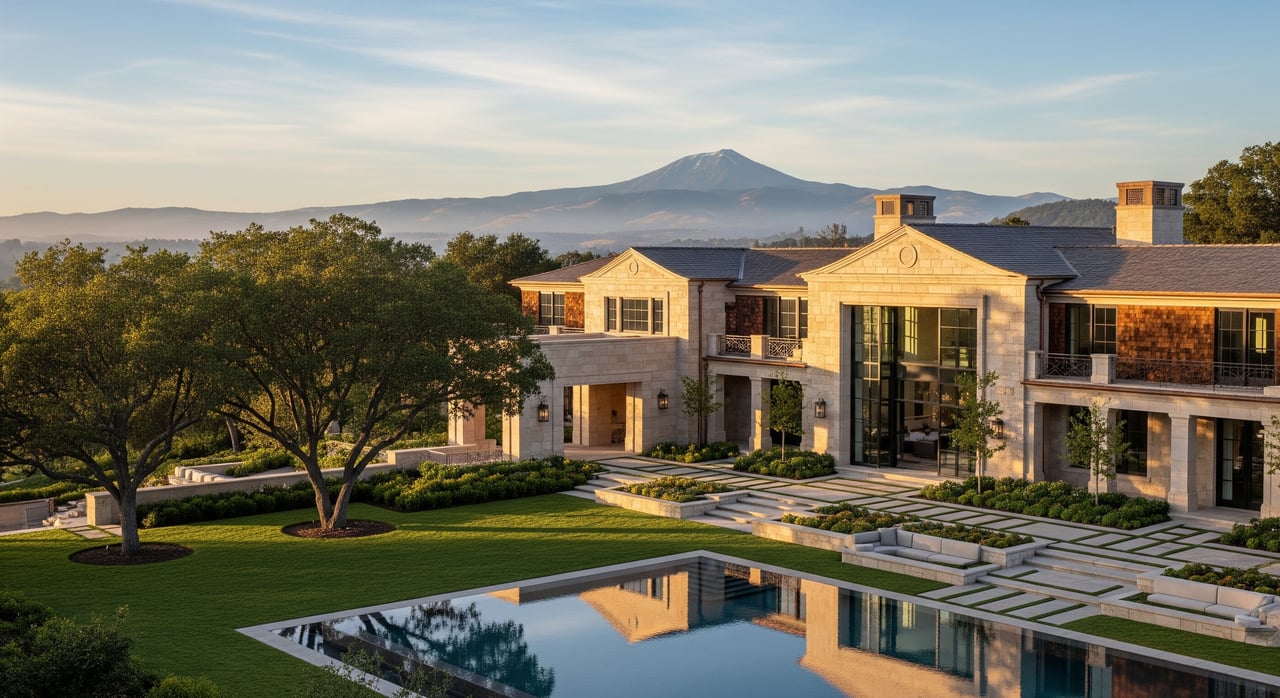
Unobstructed views of Mt. Diablo, the Diablo Valley, or evening valley lights can create meaningful premiums because they are scarce. Southern exposure that brings in natural light is also sought after. A property that frames long sightlines from main living areas tends to stand out in buyer tours.
Privacy and approach
Buyers in Alamo often prioritize privacy. Setbacks from the street, gated entries, and low visual density can elevate perceived exclusivity. A quiet approach with mature landscaping adds to first impressions.
Land and outdoor living
Acreage and usable flat space
Acreage is a signature in many Alamo luxury listings, but not all land is equal. Usable flat area often matters more than raw acreage because it affects how you can live on the property. Flat zones improve options for additions, pools, courts, or outdoor entertaining.
Outdoor amenities that matter
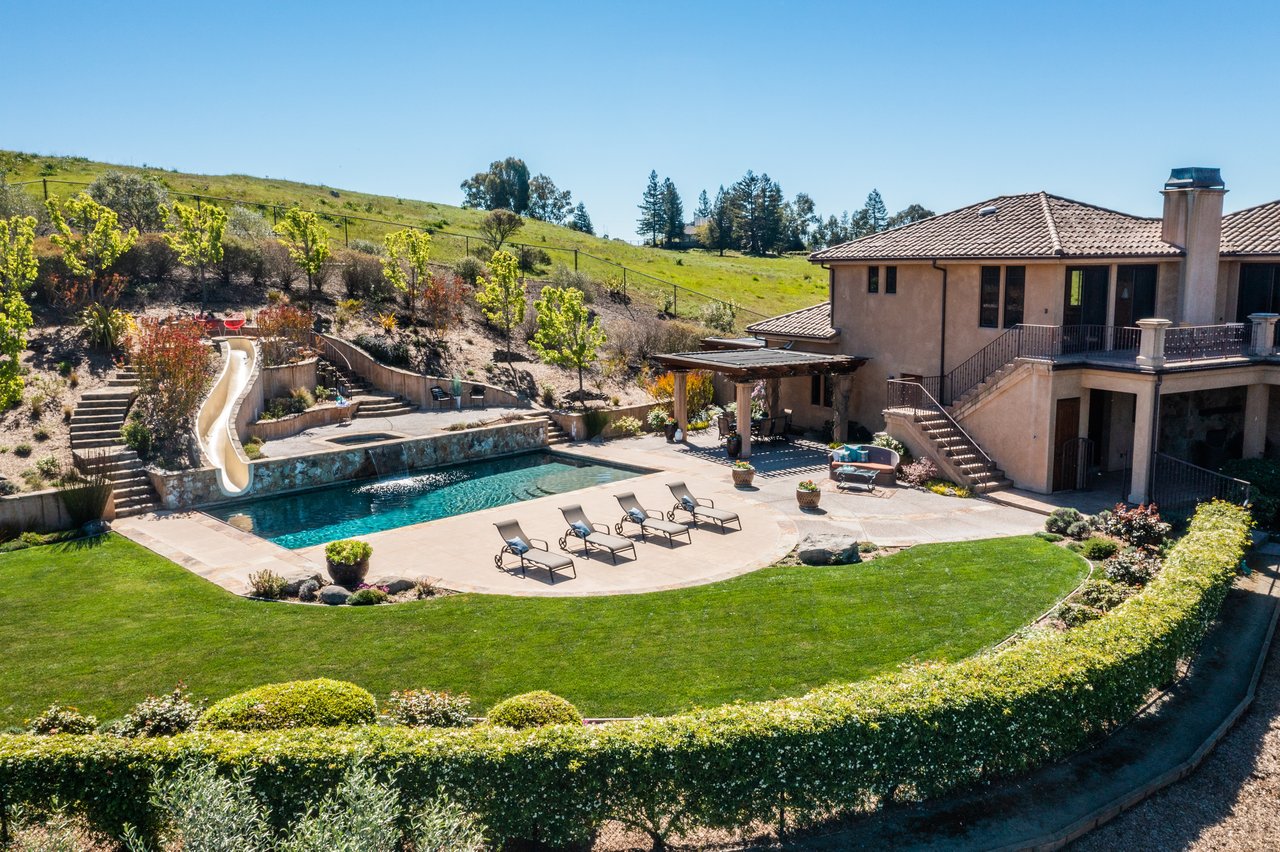
High-value features include a pool and spa, covered loggias, outdoor kitchens, fireplaces, and manicured grounds with mature oaks. Putting greens and play areas extend everyday use. Thoughtful lighting and hardscape unify the experience.
Equestrian and gated estates
Equestrian facilities and extensive garages appeal to specific buyer segments and can strengthen value when zoning aligns. Gated estates, perimeter fencing, and longer drives support a sense of security and privacy.
Home design and quality
Scale and floor plan flow
Luxury buyers look for generous square footage with a floor plan that flows. Clear separation between formal and casual spaces, multiple bedrooms and baths, and the option for guest or staff quarters add flexibility. Tall ceilings and aligned sight lines help the home feel cohesive and impressive.
Craftsmanship and systems
Premium finishes like stone, hardwoods, custom cabinetry, and integrated appliances drive appeal. Behind the walls, quality matters too. HVAC zoning, whole-house generators, roofing condition, and foundation integrity influence both appraisals and buyer confidence.
Energy efficiency and smart features
Solar, EV charging, upgraded insulation, and efficient windows are increasingly important to today’s buyers. Smart-home systems that control lighting, climate, and security add convenience and modern polish.
Turnkey status and permits
Why permitted work pays
Permitted improvements tend to appraise better and reduce buyer risk. Clear documentation of additions and remodels reassures lenders and shortens due diligence. Unpermitted work often hurts marketability and can pull offers down.
Move-in ready or renovation
Turnkey estates usually capture more attention and can sell faster because the buyer pool is broader. Renovation opportunities can still be compelling, especially on great lots or view properties. If you choose to renovate pre-sale, focus on the rooms and systems that buyers value most.
Market dynamics in Alamo
Who is buying and why
Typical luxury buyers include executives in tech or finance, local entrepreneurs, and households seeking more privacy and outdoor space. Many compare Alamo with nearby Danville, Blackhawk, and Walnut Creek. Proximity to regional job centers, flexible commute patterns, and lifestyle goals play into final choices.
Inventory, seasonality, and liquidity
Luxury inventory is often limited, and the buyer pool is selective. High-end homes can take longer to sell than mid-market listings. Activity usually peaks in spring and summer, so timing your launch and preparation can influence results.
Cross-shopping nearby markets
Buyers commonly cross-shop within 10 to 20 miles. New luxury listings or major estate sales in neighboring communities can shape expectations and comparables. Pricing and presentation should account for this wider lens.
Risks, insurance, and infrastructure
Wildfire exposure and insurance
Wildfire risk is a growing factor across Contra Costa County. Insurability and premiums affect affordability and buyer comfort. Defensible space, ember-resistant vents, Class A roofing, and wildfire-rated glazing can support insurance options and strengthen marketability.
Seismic readiness
Earthquake risk is a baseline consideration. Records of seismic retrofits, chimney anchoring, and foundation updates help buyers evaluate safety and long-term costs. Clear documentation reduces friction at inspection.
Utilities and access
Know your systems. Sewer versus septic, municipal water versus well, internet availability, and road access or maintenance agreements should be confirmed early. Clarity on these items streamlines escrow and protects value.
How value is determined
Appraisals and comps
The Sales Comparison approach leads most luxury valuations. Appraisers and informed buyers focus on similar closed sales with aligned lot size, view quality, outdoor amenities, finished square footage, and finish level. Unique custom estates may also be viewed through a cost-to-rebuild lens, but market comps usually carry the most weight.
Scarcity premiums
Some features are table stakes at this price point, like three-car garages. Others create true scarcity and can shift price meaningfully: unobstructed views, estate-scale acreage, exceptional privacy, and equestrian facilities. The more rare the attribute within your micro-market, the stronger the potential premium.
A practical checklist
Use this quick list to stay focused:
- Pull 6 to 12 similar sales from the last 6 to 12 months in the closest micro-neighborhood.
- Compare usable flat area, not just total acreage.
- Verify permits for major remodels and additions.
- Review hazard maps for wildfire, seismic, and flood exposure, and confirm insurance availability.
- Confirm utilities, road access, and any HOA or shared maintenance obligations.
- If selling, consider pre-list inspections and title review to reduce contingencies.
Smart improvements before selling
If you plan to improve before listing, prioritize upgrades that resonate with local luxury buyers:
- Kitchen refresh or remodel with quality materials and integrated appliances.
- Primary suite enhancements for comfort and privacy.
- Outdoor living updates: landscaping, pool and spa tune-ups, lighting, and hardscape.
- Seismic retrofits and roof or systems updates to satisfy inspections.
- Energy features such as solar and EV charging to support long-term ownership.
Positioning your Alamo listing
Present the story of your property clearly. Highlight view corridors, privacy, acreage, and outdoor living with strong photography and accurate descriptions. Showcase permitted improvements and recent system upgrades up front.
A high-touch process can make all the difference. From curated vendor coordination to data-informed pricing and targeted marketing, a concierge approach helps maximize net proceeds and shorten time to contract.
Ready to talk strategy for your home or next purchase? Connect with Lauren Kraus Realtor to request your complimentary home valuation and a tailored plan for the Alamo market.
FAQs
How much does a Mt. Diablo view add in Alamo?
- Premiums vary by how unobstructed and dramatic the view is, where the view is experienced in the home, and how rare that view is within the micro-neighborhood. Analyze recent nearby sales with similar sightlines to estimate impact.
Are Alamo luxury homes priced differently per square foot than Danville or Walnut Creek?
- Yes, per-square-foot values shift with lot size, views, outdoor amenities, and build quality. Cross-shopping among nearby markets is common, so align comps carefully with similar land and features.
How does wildfire risk affect insurance and value in Alamo?
- Higher wildfire exposure can limit insurance options or increase premiums, which affects affordability and buyer confidence. Fire-hardening measures and defensible space can improve insurability and strengthen marketability.
Is turnkey better than a renovation buy in Alamo right now?
- Turnkey estates often attract a wider pool and can sell faster. Renovation opportunities can still be compelling if the lot, location, or view is exceptional. Factor in permit status, timeline, and carrying costs before deciding.
Do equestrian amenities boost value in Alamo?
- They can, especially for buyers who prioritize them. Value depends on zoning, quality of the facilities, and how common those features are in nearby comps. Proper permits and documentation are essential.
What documents should I gather before listing a luxury home in Alamo?
- Collect permits for major work, pre-list inspection reports, title documents, HOA or road maintenance details if applicable, utility information, maintenance logs, and any hazard or retrofit records. Clear documentation builds trust and reduces contingencies.