What comes to mind when you hear “master planned”? In San Ramon, it means tree‑lined streets, connected parks and trails, and neighborhoods designed to make daily life simpler. If you are comparing areas or planning a move, understanding how these communities work can save you time and money. In this guide, you will learn what master‑planned living looks like in San Ramon, how HOAs and Mello‑Roos affect your budget, and which neighborhoods might fit your routine. Let’s dive in.
What master planned means here
San Ramon’s modern master‑planned living grew from coordinated city planning, most notably the Dougherty Valley Specific Plan. These areas delivered housing alongside parks, trails, schools, and select retail under one vision, with developer‑built public facilities and unified streetscapes. You can see this framework in city documents that outline how neighborhoods, open space, and services connect across the valley. The City’s General Plan describes this approach.
San Ramon also has a different but complementary model in Bishop Ranch. Originally a large office park, it has evolved into a mixed‑use employment center with restaurants and shopping at City Center Bishop Ranch, plus growing residential options nearby. This creates neighborhood‑scale conveniences and short trips to daily needs. Explore the district on the Bishop Ranch official site.
Core features you can expect
Amenities and maintenance
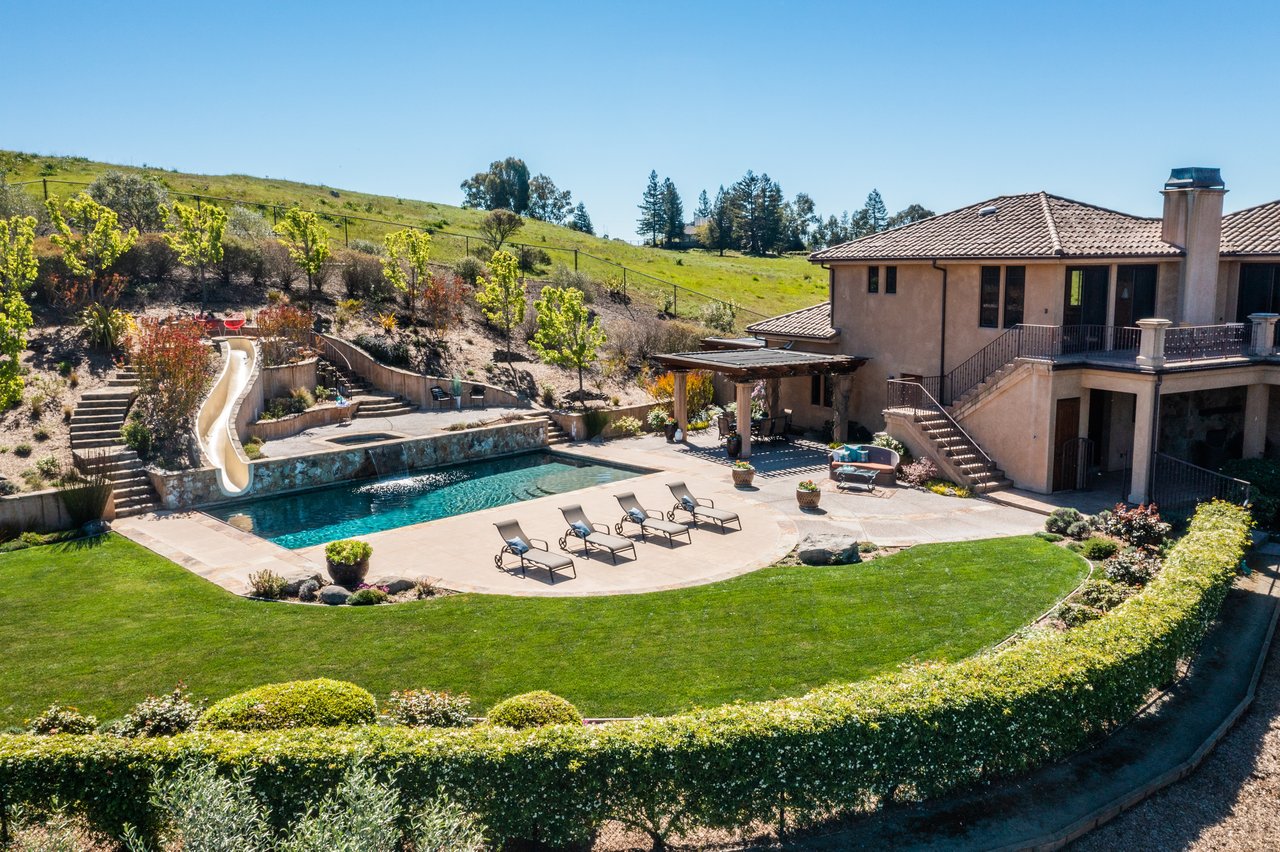
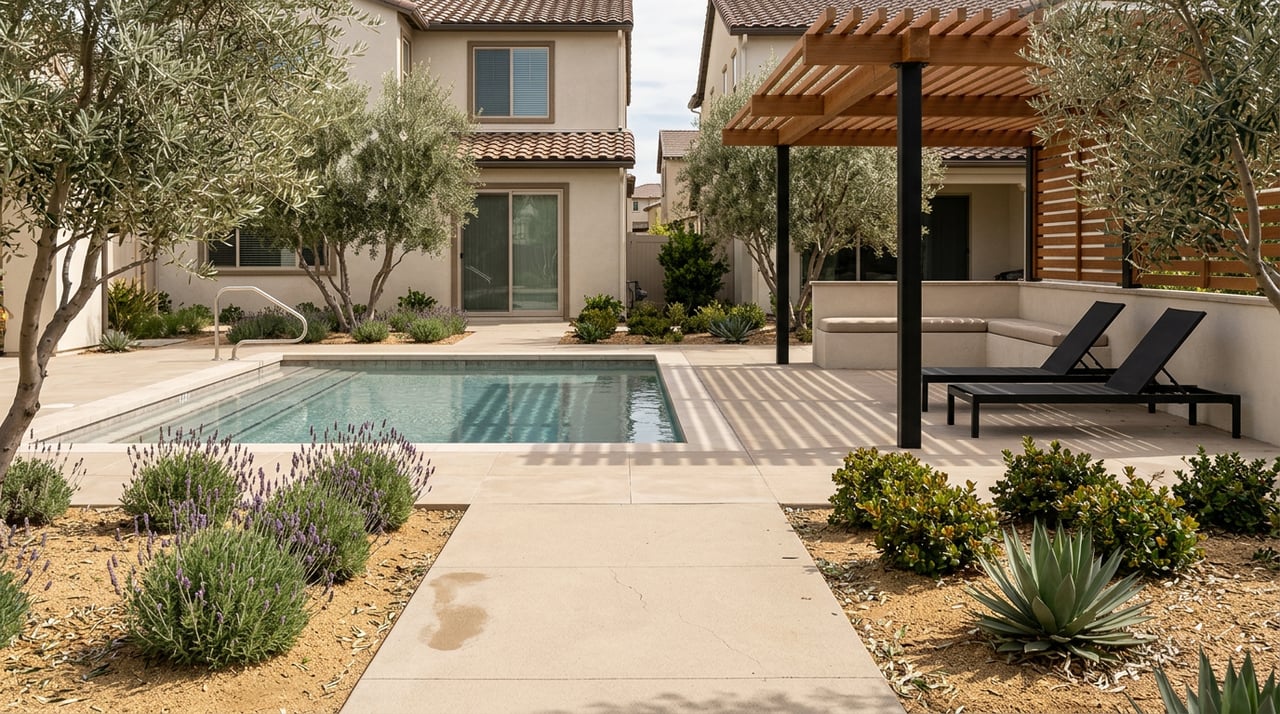
Master‑planned neighborhoods in Dougherty Valley typically include HOA‑maintained common landscaping, greenbelts, pocket parks, and paved multi‑use trails that link to schools and larger parks. Many attached and townhome communities add pools, spas, and small clubhouses. The city maintains public parks and certain facilities, while community HOAs handle private common areas and corridors. You can see how a large community is structured on The Communities of Gale Ranch.
Homes and layout
You will find many two‑story single‑family homes with clusters of townhomes and condos near retail nodes. Streets often connect schools, parks, and neighborhood shopping, which makes daily walks and quick bike rides practical at a local scale. Lot sizes and yards vary by tract, so compare the specific product type you are considering. The connected layout is documented in the city’s General Plan.
Services, retail, and employment
Everyday errands are served by smaller grocery‑anchored centers in Dougherty Valley and the regional retail and dining at City Center Bishop Ranch. Bishop Ranch is the city’s primary employment hub, which is why many residents choose nearby neighborhoods for shorter commutes and easy access to amenities. Learn more about the campus and its offerings on the Bishop Ranch site.
HOA structure and your budget
Master‑planned areas often use layered associations. A master community association covers large‑scale items, while smaller sub‑associations manage townhome courts, gated enclaves, or specific tracts. Gale Ranch, for example, is made up of multiple neighborhoods under a broader community association, each with distinct responsibilities and rules. You can review an overview of this setup on The Communities of Gale Ranch.
HOA fees vary by product type and amenities. Small sub‑associations can have modest annual dues, while condo and townhome communities with pools or extensive maintenance often carry monthly fees in the mid‑hundreds. As an example, a Windemere sub‑HOA meeting record shows annual dues of $155 per property for that small tract. You can view a sample packet on the Windemere HOA meeting minutes page.
Because HOAs maintain shared systems, reserve studies and funding levels matter. A low reserve balance or an upcoming major project can lead to a special assessment. In California, HOAs operate under the Davis‑Stirling Common Interest Development Act, which requires sellers to provide key HOA documents during escrow. Review those carefully. You can read the statute overview on the Davis‑Stirling site.
Mello‑Roos and property taxes
Many newer Dougherty Valley parcels include Community Facilities District special taxes, commonly referred to as Mello‑Roos. These charges appear as separate lines on the county property tax bill and help fund public infrastructure or school facilities. Amounts are parcel specific and can differ between similar homes based on phase or district. The best practice is to pull the current tax bill early and confirm the exact levy for the property’s APN.
Neighborhood snapshots
Windemere at a glance
Windemere sits at the Dougherty Valley edge with greenbelts, community pools in many attached home tracts, and a web of trails that connect to local parks and schools. Neighborhood governance is active at the sub‑HOA level, and dues can be modest in small tracts, as shown in recently published meeting minutes. For a real‑world example of how a sub‑association operates, review the Windemere HOA meeting minutes.
Gale Ranch highlights
Gale Ranch is a larger, coordinated community composed of multiple neighborhoods such as Avanti, Belvedere, Coronado, Gallery, Monarch, Solaire, and Terravista. It features pocket plazas, parks, and nearby retail, with certain micro‑areas like The Bridges offering golf and recreation adjacent to residential streets. HOAs here commonly manage landscape corridors, trails, and small community amenities. Confirm which facilities are public versus HOA‑maintained for the tract you are considering on The Communities of Gale Ranch.
Bishop Ranch and City Center
Bishop Ranch is the city’s employment anchor with a growing mixed‑use environment that includes City Center Bishop Ranch for shopping, dining, and events. Many residents in surrounding neighborhoods choose to live nearby to shorten commutes and enjoy a walkable retail core a short drive or bike ride away. Get a feel for the district on the Bishop Ranch site.
Commute and transit reality
San Ramon sits along the I‑680 corridor with road connections to the Tri‑Valley and the greater East Bay. Many trips are car dependent, but local bus service connects to the Dublin/Pleasanton and Walnut Creek BART stations, and the Iron Horse Trail provides a popular multi‑use route through the valley. For a quick overview of local transit context, review this San Ramon community guide. For parks and trail planning background, see the city’s Parks and Community Services Master Plan.
Lifestyle tradeoffs to weigh
Pros
- Predictable streetscapes and design standards
- Developer‑built parks, trails, and nearby schools
- Managed common areas that reduce exterior upkeep on some product types
- Built‑in amenities such as pools and small clubhouses in many attached communities
- Close access to Bishop Ranch employment and City Center retail
These benefits stem from coordinated planning policies documented in the city’s General Plan.
Considerations
- HOA dues and possible special assessments add ongoing costs
- CC&Rs and design rules can limit exterior changes
- Some tracts feature smaller yards than older neighborhoods
- Commute times still depend on I‑680 traffic and your destination
Rules and disclosures for HOAs are governed by the Davis‑Stirling Act. Always review the resale package and board minutes for each property.
Buyer checklist for master‑planned homes
Use this list to confirm details before you write an offer or remove contingencies:
- Order the HOA resale packet and review: CC&Rs, bylaws, rules, current budget and reserve summary, insurance declarations, the most recent 12 months of meeting minutes, and notices of assessments or litigation. See the required disclosures in the Davis‑Stirling statutes.
- Pull the current property tax bill by APN and check for Mello‑Roos or Community Facilities District special taxes. Amounts are parcel specific.
- Read the HOA reserve study and minutes for planned capital projects or signs of potential special assessments. A recent Windemere HOA packet shows the kind of routine updates to look for.
- Confirm in writing what the HOA fee covers, such as exterior maintenance, irrigation, private street upkeep, trash, or master insurance. Community sites like Gale Ranch outline typical responsibilities.
- Check rental, pet, and parking rules if you plan to lease the property, have multiple pets, or depend on guest parking. These appear in the CC&Rs and rules described by Davis‑Stirling.
- Verify school assignments for the exact parcel. The city maintains a helpful overview of local education resources. Confirm school feeds directly with the district.
- Map your commute during real drive windows. Review local bus routes to BART and trail connections noted in this San Ramon community guide.
What homes cost today
San Ramon is a higher‑cost Bay Area market. As of late February 2026, Zillow reported a typical home value around 1.52 million dollars for the city. Actual pricing varies by neighborhood and product type, and days to pending can shift quickly. Use live market data when you get serious about an address so your strategy reflects current conditions.
How we can help
If master‑planned living is on your list, you deserve a local advocate who can translate HOA documents, spot Mello‑Roos on a tax bill, and pressure‑test commute and school logistics before you commit. Our concierge approach streamlines everything from vendor coordination and pre‑market preparation to data‑driven pricing and negotiation so your lifestyle and financial goals align.
Have questions about a specific tract or HOA? Connect with Lauren Kraus Realtor for a tailored plan or to request your complimentary home valuation.
FAQs
What does “master planned” mean in San Ramon neighborhoods?
- It refers to areas like Dougherty Valley where housing, parks, trails, schools, and select retail were coordinated under a city‑approved plan with developer‑built public facilities, as outlined in the City’s General Plan.
How do HOAs work in Dougherty Valley communities?
- Many neighborhoods use a master association plus smaller sub‑associations for specific tracts or attached homes; responsibilities and fees vary, which you can see on The Communities of Gale Ranch.
What is Mello‑Roos in San Ramon and where do I see it?
- Mello‑Roos is a parcel‑specific special tax for public facilities that appears as a separate line on the county property tax bill; confirm the exact amount for the home’s APN early in your process.
What amenities are typical in Windemere and Gale Ranch?
- Expect HOA‑maintained landscaping, greenbelts, trails, pocket parks, and, for many attached communities, pools and small clubhouses, with public parks maintained by the city; see examples on Gale Ranch’s site.
How is the commute from master‑planned areas of San Ramon?
- Most trips are car dependent with I‑680 access; local bus routes connect to BART, and the Iron Horse Trail helps with local cycling; find an overview in this San Ramon guide.
How do I verify school assignments for a specific home?
- Check with the school district directly for the parcel’s assignment and review the city’s education resources for general context.